
You're standing in your driveway, looking at your home's exterior. The siding looks dingy, your driveway has dark stains, and there's that green stuff growing on your roof again. You know it's time for a deep clean, but here's the big question: should you go with pressure washing or soft washing?
This isn't just about picking between two cleaning methods. It's about protecting your biggest investment while getting the results you want. Make the wrong choice, and you could end up with damaged siding, a ruined roof, or a cleaning job that doesn't last.
Let's break down exactly when to use each method so you can make the right call for your home.
What Is Soft Washing?
Soft washing is like giving your home a gentle spa treatment. Instead of blasting away dirt with high pressure, this method uses low-pressure water (under 500 PSI) combined with specialized cleaning solutions.
Here's how it works: the cleaning solutions do most of the heavy lifting. They break down algae, mold, mildew, and other organic growth at the root level. The low-pressure rinse then washes everything away without damaging your home's surfaces.
Think of it as chemistry doing the work instead of brute force. The cleaning solutions are typically biodegradable and designed to keep working even after the cleaning is done, preventing new growth for months.
What Is Pressure Washing?
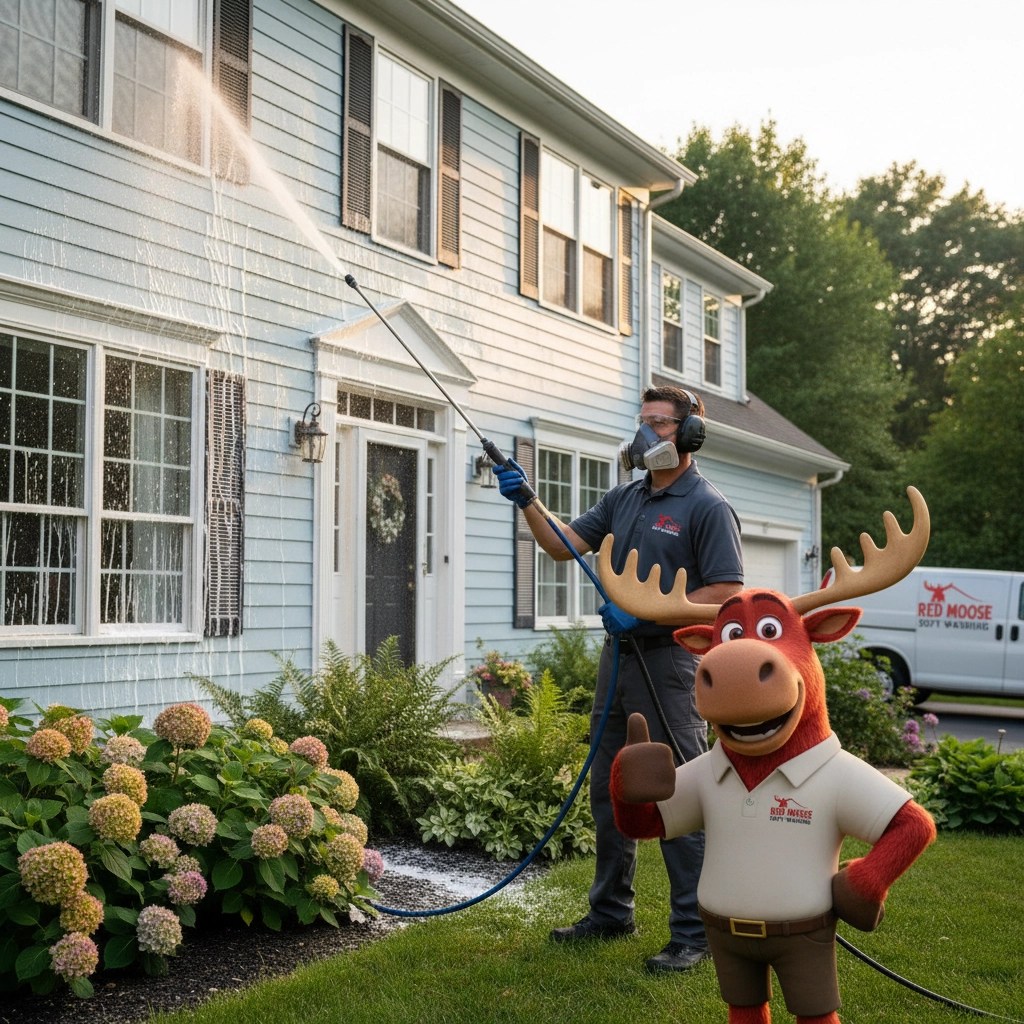
Pressure washing is the power tool approach to exterior cleaning. It uses high-pressure water streams ranging from 1,300 to 4,000+ PSI to blast away dirt, grime, and debris.
This method relies primarily on water force to get the job done. While some pressure washers can add detergents to the mix, the main cleaning power comes from the intense water pressure that literally scrubs surfaces clean.
It's fast, effective, and satisfying to watch years of buildup disappear in seconds. But with great power comes great responsibility – and the potential for damage if used incorrectly.
The Head-to-Head Comparison
| Factor | Soft Washing | Pressure Washing |
|---|---|---|
| Pressure Level | 150-500 PSI | 1,300-4,000+ PSI |
| Main Cleaning Power | Chemical solutions | Water pressure |
| Speed | Slower process | Fast results |
| Surface Safety | Very gentle | Can damage delicate surfaces |
| Best For | Organic growth, delicate materials | Heavy grime, hard surfaces |
| Water Usage | Less water needed | High water consumption |
| Lasting Results | Prevents regrowth | Immediate clean only |
| Cost | Higher due to solutions | Lower upfront cost |
When Soft Washing Wins
Soft washing is your best choice when you're dealing with organic growth or delicate surfaces. Here are the specific situations where soft washing comes out on top:
Your Home Has Delicate Siding
If your home has vinyl, wood, or painted surfaces, soft washing protects these materials while still getting them clean. Pressure washing can strip paint, gouge wood, or crack vinyl – repairs that cost way more than the cleaning itself.
You're Fighting Algae and Mold
That black streaking on your roof? Green film on your siding? Soft washing doesn't just remove these problems – it prevents them from coming back. The cleaning solutions kill organic growth at the source and create a protective barrier.
You Want Long-Term Results
Soft washing treatments typically last 4-6 times longer than pressure washing because they prevent regrowth. You'll clean less often and save money over time.
Environmental Impact Matters to You
The biodegradable solutions used in soft washing are gentler on your landscaping and local water systems than the high-volume water runoff from pressure washing.

When Pressure Washing Takes the Lead
Pressure washing shines when you need serious cleaning power for tough, durable surfaces. Here's when you should choose the high-pressure approach:
You Have Concrete or Brick Surfaces
Driveways, sidewalks, patios, and brick walls can handle high pressure and often need that extra power to remove embedded dirt, oil stains, and mineral deposits.
You're Dealing with Stubborn Buildup
Thick mud, loose paint, graffiti, or years of neglect require the immediate power that only pressure washing can deliver.
Time Is a Factor
When you need results fast – like preparing for a party or getting ready to sell your home – pressure washing delivers immediate satisfaction.
You Have Large, Hard Surface Areas
For extensive concrete areas like long driveways or large patios, pressure washing covers ground quickly without the need for chemical treatments.
The Safety Factor
Safety considerations play a huge role in choosing between these methods.
Soft Washing Safety
The biggest safety concern with soft washing is chemical handling. Always wear protective equipment and keep pets and children away during treatment. The good news? The low pressure means you won't accidentally damage surfaces or hurt yourself with high-pressure spray.
Pressure Washing Safety
High-pressure water can cause serious injury and property damage. Never point a pressure washer at people, pets, or delicate surfaces. The intense pressure can inject water under siding, leading to mold and structural damage you can't see.

Cost Considerations That Matter
Let's talk numbers because your budget matters.
Upfront Costs
Pressure washing typically costs less initially because it relies mainly on water and equipment time. Soft washing requires specialized solutions and often takes longer, making the upfront cost higher.
Long-Term Value
Here's where soft washing often wins: because it prevents regrowth, you'll need cleaning services less frequently. A soft wash treatment might last 2-4 years, while pressure washing results might only last 6-12 months.
Hidden Costs
Factor in potential repair costs. Pressure washing damage to siding, roofs, or landscaping can quickly turn a cheap cleaning into an expensive mistake.
The Smart Homeowner's Strategy
The best approach? Most homes benefit from using both methods strategically.
Use soft washing for:
- Roof cleaning
- Siding (especially vinyl, wood, or painted surfaces)
- Areas with visible organic growth
- Regular maintenance cleaning
Use pressure washing for:
- Concrete driveways and walkways
- Brick or stone surfaces
- Heavy-duty cleaning projects
- Preparing surfaces for painting or staining
Making Your Decision
Consider these key questions:
-
What materials make up your home's exterior? Delicate surfaces need soft washing; durable surfaces can handle pressure washing.
-
What type of dirt and buildup are you dealing with? Organic growth responds better to soft washing; embedded grime needs pressure washing power.
-
How often do you want to clean? For less frequent cleaning, choose soft washing's longer-lasting results.
-
What's your budget over time? Consider both immediate costs and long-term value.
The truth is, there's no one-size-fits-all answer. Your home is unique, and your cleaning approach should be too. The key is matching the right method to your specific situation.
Whether you choose the gentle effectiveness of soft washing or the immediate power of pressure washing, you'll get the clean exterior your home deserves. Just make sure you're making the choice that protects your investment while delivering the results you want.
Ready to get started? Consider your home's specific needs, and don't hesitate to consult with professionals who can assess your situation and recommend the best approach for your exterior cleaning project.